
AI is evolving at a rapid pace, and choosing the right model can have a significant impact on productivity, efficiency, and overall experience. With multiple strong contenders in the space, knowing which one to use for specific tasks is key. After testing and analyzing the major players, here’s a breakdown of where each model excels and where it falls short.
ChatGPT: The Most Versatile AI Model
If there’s one AI model that functions as an all purpose assistant, it’s ChatGPT. It handles a wide range of tasks effectively, making it the best option for general AI usage.
Strengths:
- Everyday problem solving, From answering complex questions to summarizing information, ChatGPT consistently delivers clear and insightful responses.
- Voice conversations, Its voice mode is ideal for quick discussions while walking or commuting, adding an extra layer of convenience.
- Live camera integration, The ability to process images in real time adds another dimension to learning and problem solving.
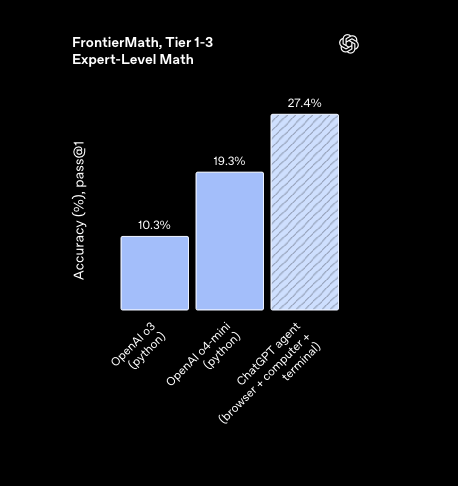
- Mathematics and financial analysis, It handles tax preparation, budgeting, and complex financial calculations with ease.
- Deep research capabilities, It outperforms competitors when analyzing markets or technical topics, making it valuable for strategic decision making.
Weaknesses:
- Writing and coding, While GPT 4.5 improves upon previous versions, its writing can feel mechanical, and its coding assistance doesn’t match specialized AI coding tools.
Claude: The Best AI for Writing and Coding
Claude is a strong alternative for those focused on writing and coding. It lacks multimodal capabilities but outperforms other models in crafting and refining text.
Strengths:
- Editing and rewriting, It adapts to individual writing styles and refines content efficiently.
- Translating voice notes into polished text, Integrates well with tools like Superwhisper to convert raw voice notes into well structured drafts.
- Coding support, AI coding platforms like Bolt and Cursor use Claude as their default due to its reliability in assisting with code generation.
Weaknesses:
- Limited multimodal capabilities, Claude does not support image, voice, or video generation.
Gemini: The Best Model for Long Context Processing and Video
Gemini sets itself apart with its extended context window and AI video generation capabilities.
Strengths:
- Handling large documents, With a 2M+ word context window, it can process books, multiple documents, and long videos simultaneously.
- Video generation, Its Veo model surpasses OpenAI’s Sora, making it the leading choice for AI generated video content.
- Image generation, Produces high quality images that rival DALL E and Midjourney, especially for complex scenes.
Weaknesses:
- Lacks personality, Responses can feel too clinical and detached, making it less engaging for general conversations.
Grok: The Best Free AI Model
Grok offers strong capabilities for those looking to avoid subscription fees while maintaining access to high quality AI features.
Strengths:
- Free deep research and reasoning, Provides access to powerful research and analysis tools without a paywall.
- Real time Twitter data access, The only model that can pull information from X (Twitter) in real time.
- Unique voice mode, Its “unhinged” and experimental voice options provide a different kind of AI interaction.
Weaknesses:
- Poor for writing and editing, Has a built in sarcastic tone that makes it unsuitable for professional or structured content.
Perplexity: The Best for Quick Research and Travel Planning
Perplexity doesn’t pre train its own models but serves as a strong alternative to Google Search by aggregating and summarizing web data.
Strengths:
- Fast and reliable research, Quickly finds and summarizes information with direct source links.
- Travel planning and recommendations, Excels at itinerary planning and finding local activities.
Weaknesses:
- Not ideal for deep research, ChatGPT and Grok perform better when conducting in depth analysis.
Choosing the Right AI Model
For those looking for a single AI subscription, Claude is the best choice for writing and coding, which are the most common professional use cases. ChatGPT is the strongest all around option, particularly for its voice mode, research capabilities, and multimodal features.
Each AI model has its strengths, and the best choice depends on the specific tasks you need to accomplish. Experimenting with different models based on use case will provide the best results in 2025.

Posted by