
In an era where technological innovations are the cornerstone of business evolution, the construction industry is no exception. Once considered slow to adapt, this sector is now undergoing a transformation, thanks in part to the adoption of automation technologies. As Stanford University’s Future of Work initiative suggests, “Automation is not replacing humans; it’s augmenting their capabilities.”
The Growing Need for Automation
Despite being one of the oldest industries, construction has long struggled with challenges like labor shortages, project delays, and budget overruns. According to a study by the University of Cambridge, project managers who utilized automated tools saw a 20% reduction in delays and 15% cost savings.
AI in Risk Assessment and Safety Protocols
Managing risks is an everyday activity in construction management. MIT’s Computer Science and Artificial Intelligence Lab found that machine learning algorithms can predict workplace accidents with an accuracy rate of up to 85%. These AI models analyze data from past incidents and generate insights to prevent future mishaps.
Blockchain for Enhanced Transparency
Blockchain is more than just a buzzword; it’s a transformative technology. According to the University of Oxford’s Blockchain Research Centre, utilizing blockchain for contract management could reduce disputes by 40%, ensuring accountability and transparency throughout the project’s lifecycle.
IoT for Real Time Monitoring
The Internet of Things (IoT) has found a permanent place in modern construction. A study from Carnegie Mellon University highlights that integrating IoT sensors into construction sites can monitor everything from equipment efficiency to environmental conditions, providing real time analytics that facilitate quicker, more informed decision making.
Preparing for the Future
Automation doesn’t spell doom for human workers; rather, it complements their skill set. According to a study by the University of Toronto, companies investing in automation technology saw a 25% increase in job satisfaction among employees, who found their roles shifting from mundane tasks to more strategic responsibilities.
Conclusion
The writing is on the wall: automation is not just an optional upgrade but a necessity for the modern construction industry. Whether it’s improving safety protocols through AI or enhancing operational efficiency via IoT, automation is setting the stage for a more robust, efficient, and innovative future in construction management.
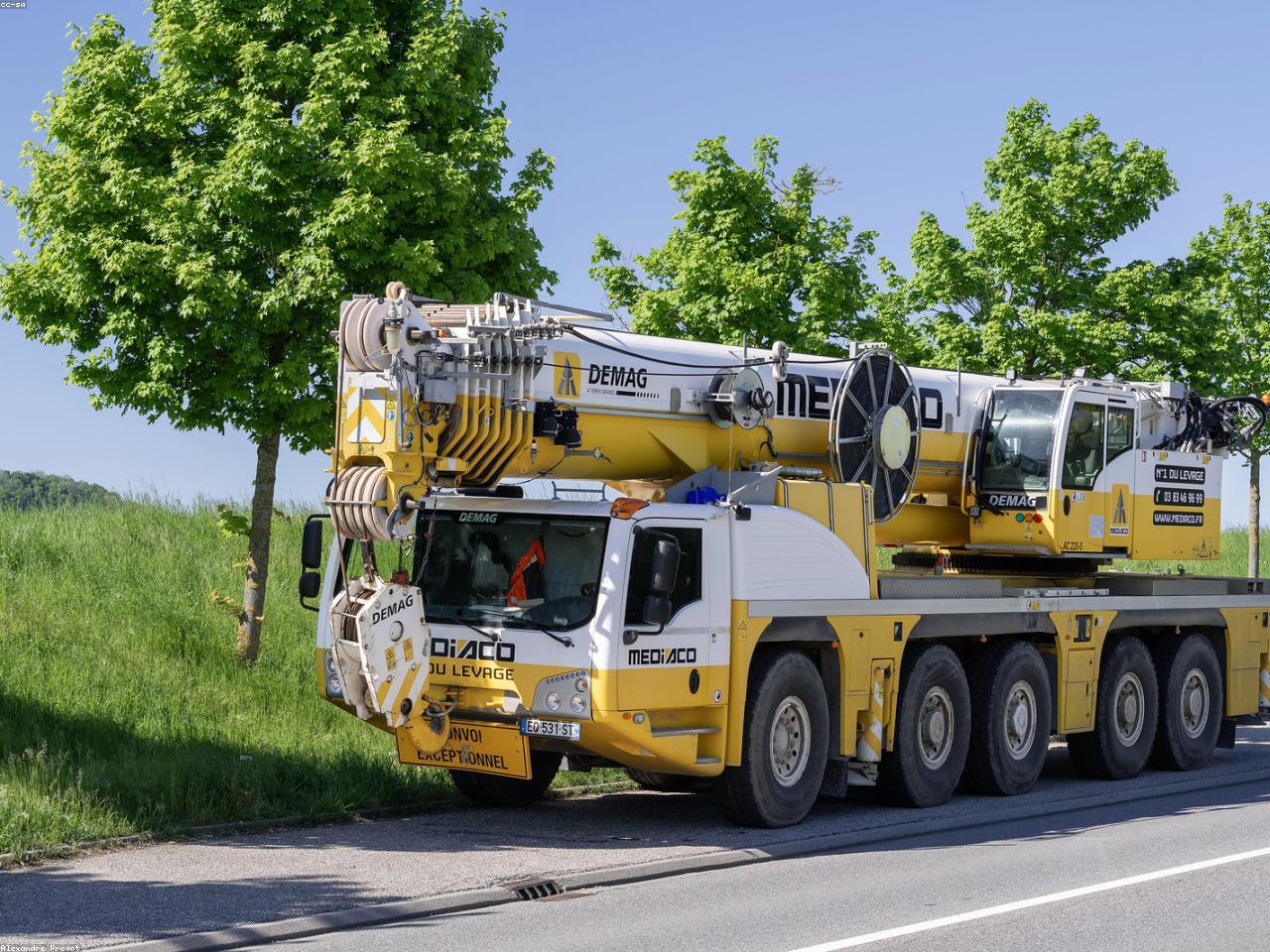
So, the next time you drive by a construction site, remember, behind the cranes and concrete is a world of advanced technology, sculpting our urban landscapes one automated process at a time.

Posted by