
Google recently introduced its Data Science Agent, a natural language interface that lets you explore data, build models, and generate insights using plain English prompts. That alone is impressive. But what’s more exciting is what this means for the rest of us: professionals, small business owners, data enthusiasts, and anyone who’s ever wished they could turn raw information into clarity, without needing to code.
This release signals a significant shift: data science is becoming more accessible, and the tools that once sat behind paywalls or skill barriers are starting to speak our language.

Here’s what you need to know, and how it might change the way you make decisions.
What Exactly Is It?
Google’s Data Science Agent works with your data sources (like BigQuery) and allows you to ask real business or personal questions, such as:
- What are the top reasons for customer churn?
- Which products have the highest return on ad spend?
- Can you predict revenue for the next quarter based on last year’s trends?
The agent processes your query, runs the analysis, and delivers an answer in a way that’s easy to understand, even if you’ve never touched a spreadsheet or written a line of code.
This means you no longer need to translate your thoughts into SQL or Python. The AI does the translation for you.
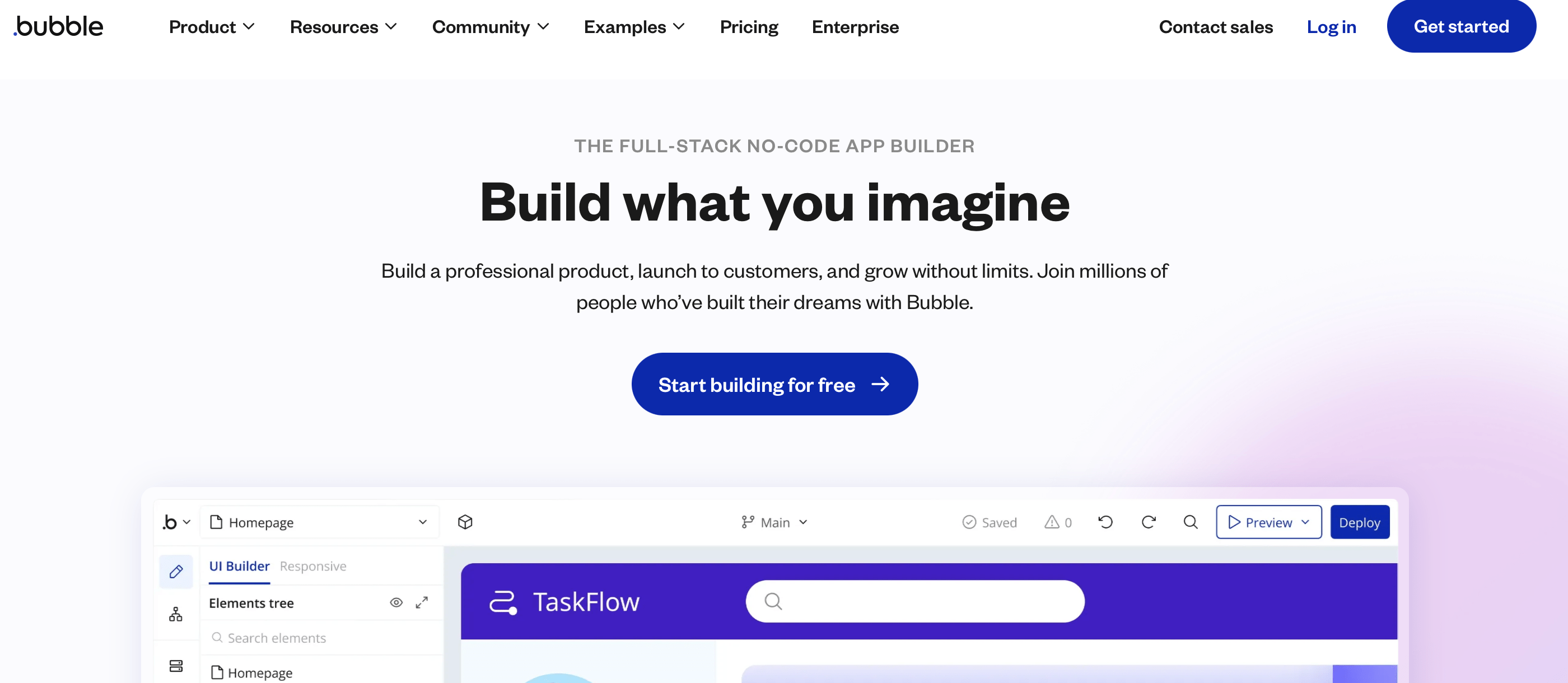
Applications like bubble already build apps for you only with AI for free.
Why This Matters (Even If You’re Not a Data Scientist)
For years, data has been a bit of a paradox. Everyone knows it’s powerful, but few have had the time, tools, or training to tap into it effectively. That’s been especially true for:
- Small businesses, who can’t justify hiring a data team
- Non technical professionals, who want better insights but feel locked out
- Freelancers or solo operators, who juggle strategy, execution, and analysis alone
Now, with tools like the Data Science Agent, the barrier to entry is disappearing. You can interact with your data the same way you’d speak to a colleague. You don’t need to be technical to be data informed.
That opens the door to faster, more informed decision making, across roles, industries, and even personal projects.
What It Can’t Do (Yet)
It’s not perfect, and it’s not a magic button.
- It still relies on well structured, clean data. If your information is scattered or incomplete, the answers you get will reflect that.
- It doesn’t understand nuance or context the way a seasoned analyst might. It works best when paired with human judgment.
- It can’t read your mind, you still need to ask good questions.
In other words, AI can accelerate analysis, but it doesn’t replace critical thinking or real world context.

Jensen Huang looking at a fully autonomous Robot powered by the latest Nvidia technology.
How You Can Start Taking Advantage of This Shift
Even if you’re not ready to use Google’s Data Science Agent directly, this moment is a signal: the way we interact with data is changing. Here are a few steps to prepare:
- Audit Your Data
- Where is your data stored?
- Is it clean, consistent, and updated?
- Can it be connected to tools like BigQuery, Sheets, or Excel?
- Think in Questions, Not Just Reports
Instead of asking for charts, ask what you actually want to know. For example:- “Are we getting more website visitors, and are they converting?”
- “Which customer segments are the most profitable?”
- Start Simple with Existing Tools
Tools like Google Sheets, Looker Studio, and Excel are more powerful than people realize. Use pivot tables, filters, and even GPT plug ins to explore your data. - Understand the Limits (and Strengths) of AI Tools
They’re great at summarizing, pattern recognition, and answering structured questions. Use them for what they do well, and don’t expect them to make judgment calls for you.

Zooming Out: The Bigger Picture
This isn’t just about Google. It’s part of a broader trend: technology is becoming more accessible, more natural to interact with, and more powerful in its ability to surface meaning.
The biggest advantage won’t go to the most technical people, it’ll go to the most curious.
Those who ask better questions, stay open to experimentation, and are willing to rethink how decisions are made will gain a serious edge.
You don’t need to become a data scientist. But if you can build a habit of asking better questions, and let modern tools do the digging, you’ll make smarter decisions, faster.

How PolarPath Can Help (If You Need It)
If you’re already thinking:
“I love this, but my data’s a mess,”
or
“I’m not even sure where to start,”
That’s where we come in.
At PolarPath, we help individuals and businesses:
- Clean and structure their data
- Build automated dashboards (Google Sheets, Looker Studio, Power BI)
- Connect their systems so that insights are always one question away
You don’t need a full data team, just a clear first step.
If you’re ready to see what better questions could unlock, we’re here to help.

Posted by